Visit Schindler's Factory Museum with context and confidence
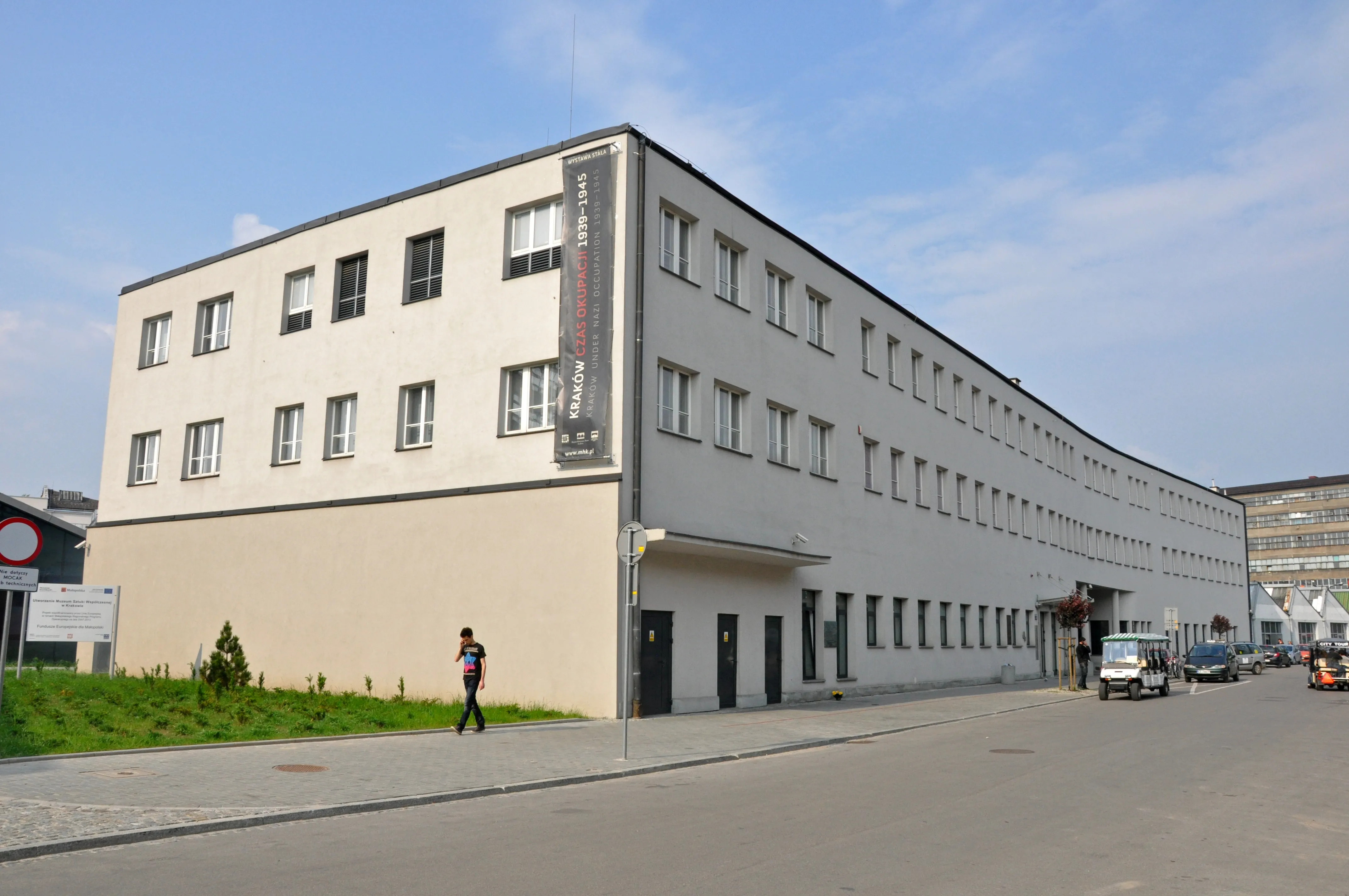
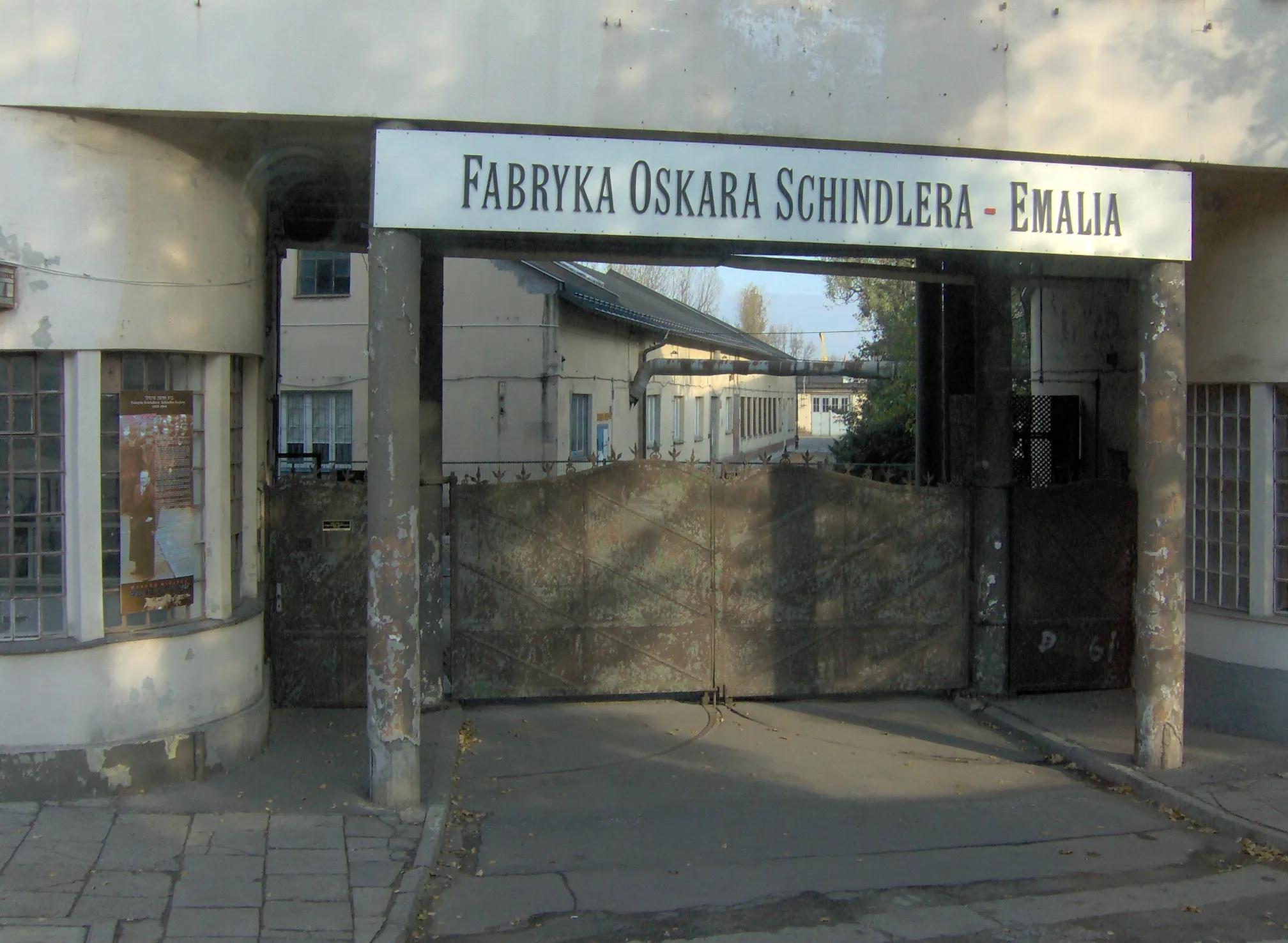
Schindler's Factory Museum is one of the most meaningful places to visit in Krakow.
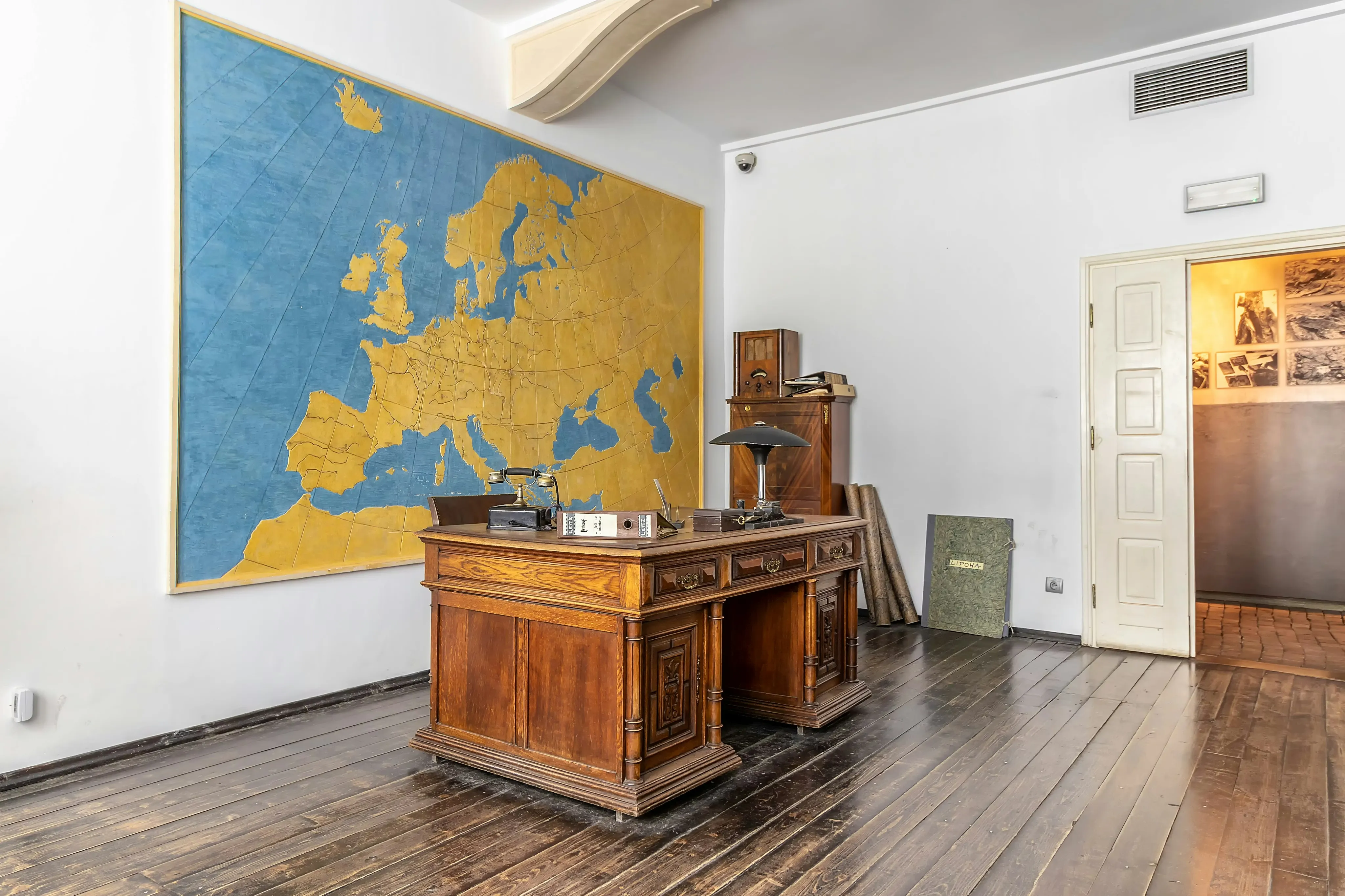
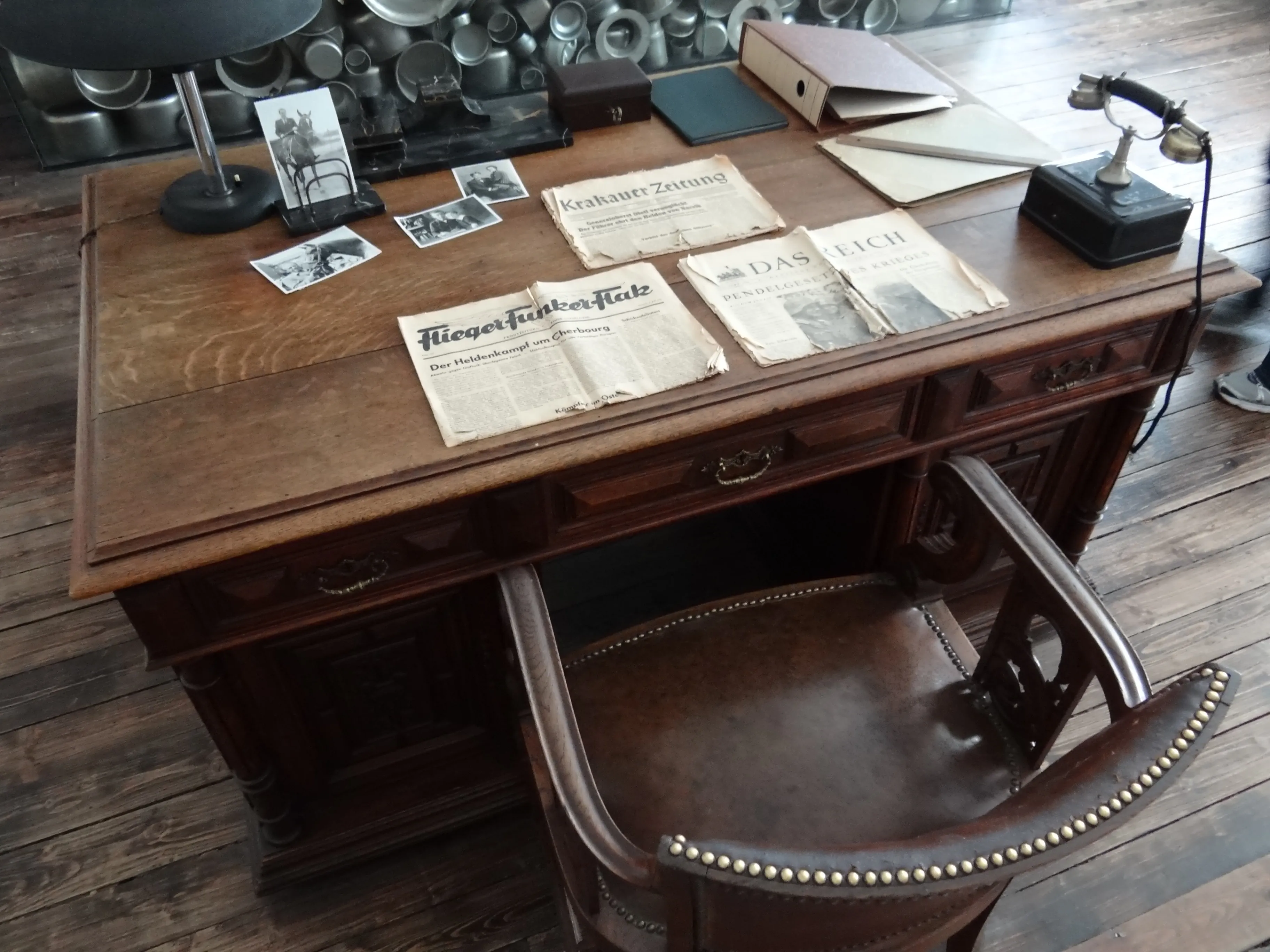
The exhibition, titled Krakow under Nazi Occupation 1939-1945, takes you through recreated streets, offices, photographs, documents, and voices that show how daily life changed under terror, fear, and resistance.
It is not just about one man; it is about an entire city surviving one of history's darkest chapters..
Oskar Schindler's Enamel Factory Museum Visiting timetable
Opening hours vary by season and day of the week, and last entry is usually before closing time. The museum can become fully booked, especially in spring, summer, and weekends, so planning your slot in advance is strongly recommended.
Oskar Schindler's Enamel Factory Museum Closing Days
The museum is open most of the year but may close on selected public holidays or operate reduced hours on special dates; always confirm on official channels before your visit.
Where is Located
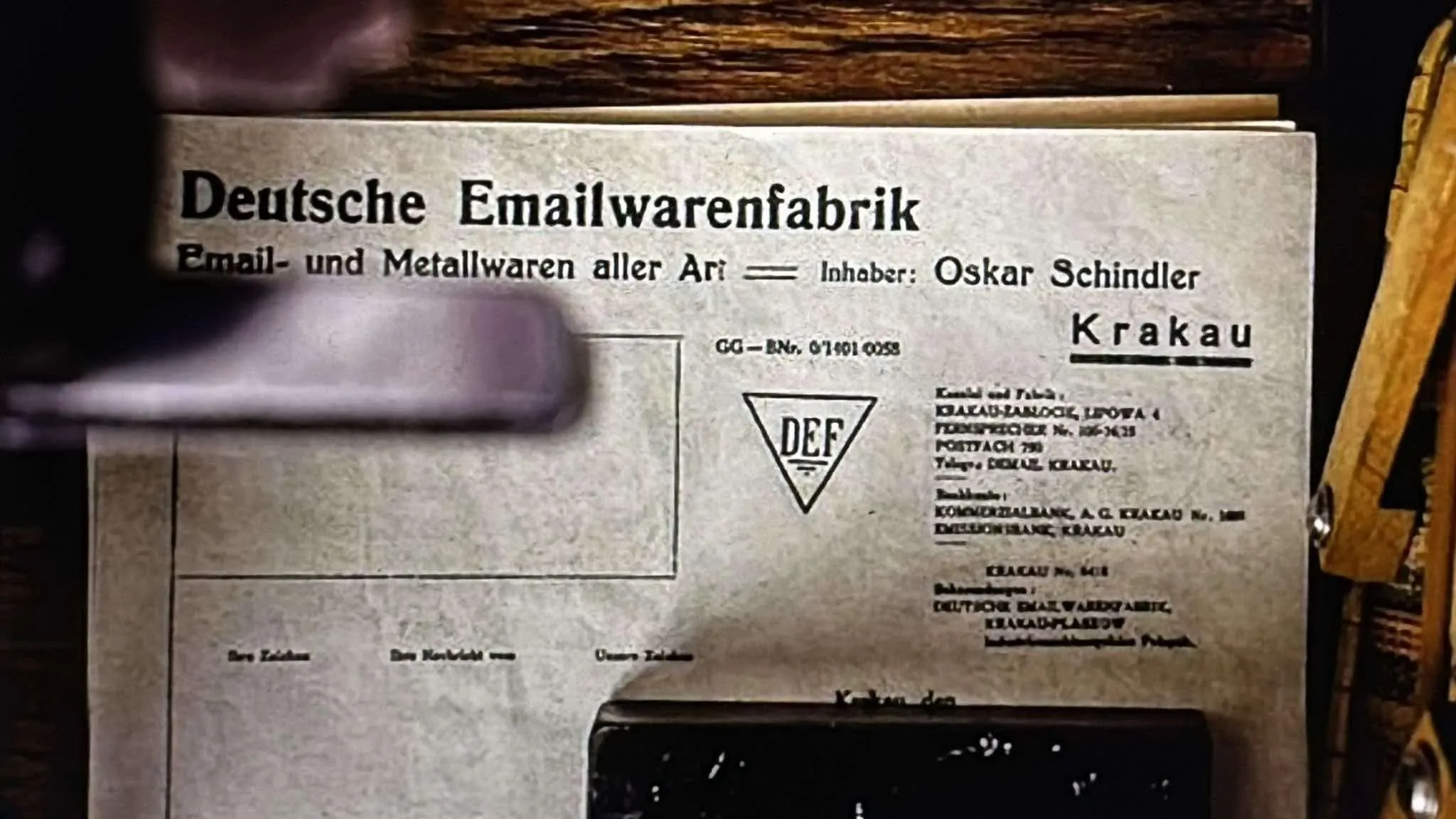
Lipowa 4, Zablocie district, Krakow, Poland
How to reach Schindler's Factory Museum
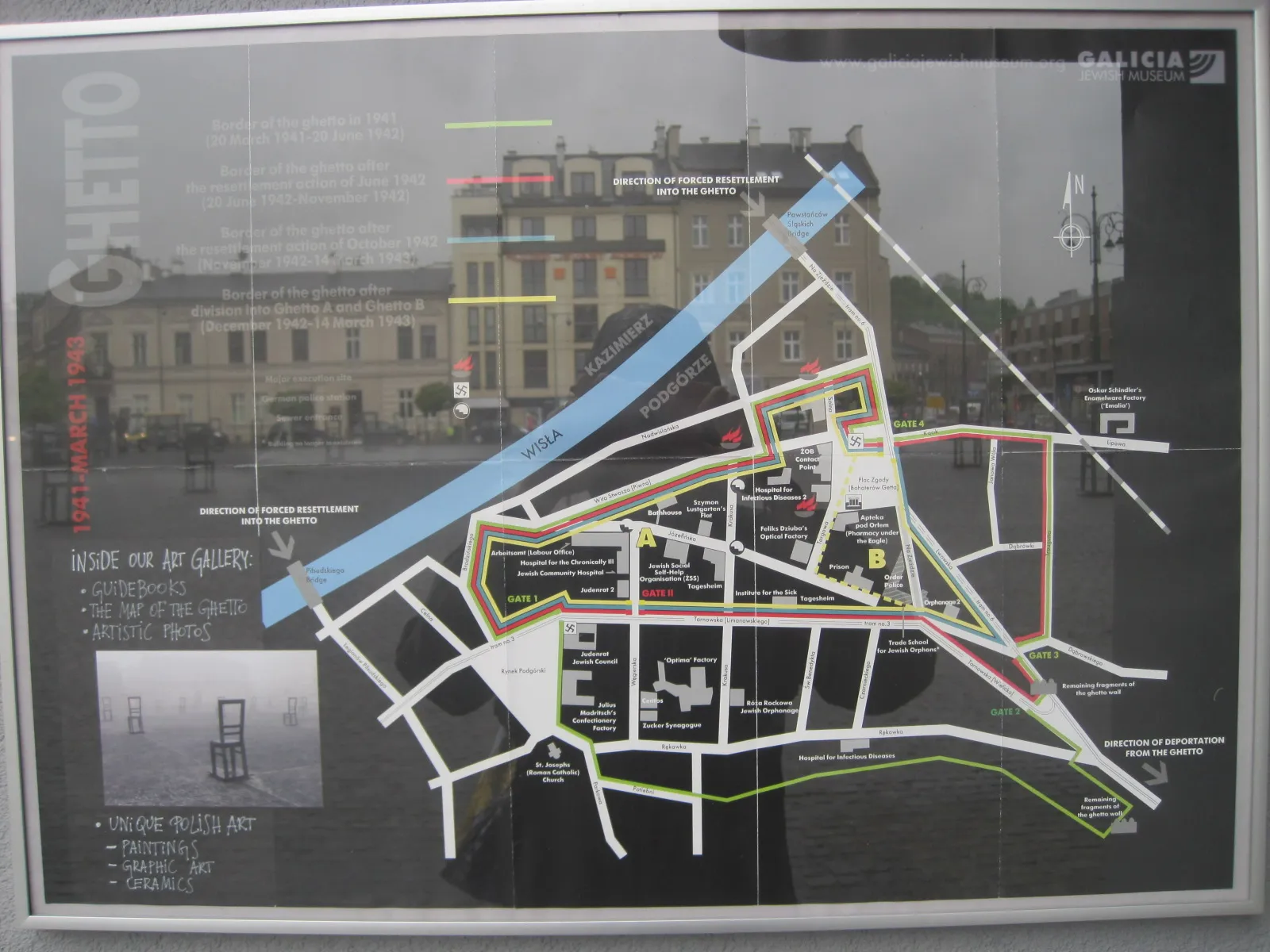
The museum is located in Zablocie, just across the Vistula from Kazimierz. It is straightforward to reach by tram, taxi, rideshare, or on foot if you enjoy walking through Krakow's historic neighborhoods and riverside areas.
By Train
From Krakow Glowny, you can take public transport toward Zablocie or use a short taxi ride. If you prefer rail, Krakow Zablocie station is nearby, and from there it is a manageable walk through the district to Lipowa Street.
By Car
If you arrive by car, allow extra time for city traffic and parking search. Street parking exists but can be limited and regulated; paid parking lots in the broader district are often the least stressful option.
By Bus
Several tram and bus lines connect the center to Zablocie. The easiest approach is to ride to a nearby stop on or around Lipowa Street and walk the final minutes to the entrance.
On Foot
Walking from Kazimierz is a popular option and takes around twenty to thirty minutes depending on your route. The walk gives useful urban context, especially if you continue afterward to nearby wartime and Jewish heritage sites.
Why visit Schindler's Factory Museum
Because it combines rigorous history, deeply human storytelling, and one of Krakow's most carefully curated exhibitions into a visit that is unforgettable, educational, and emotionally honest.
Oskar Schindler's Enamel Factory Museum
Immersive Occupation-Era Streets
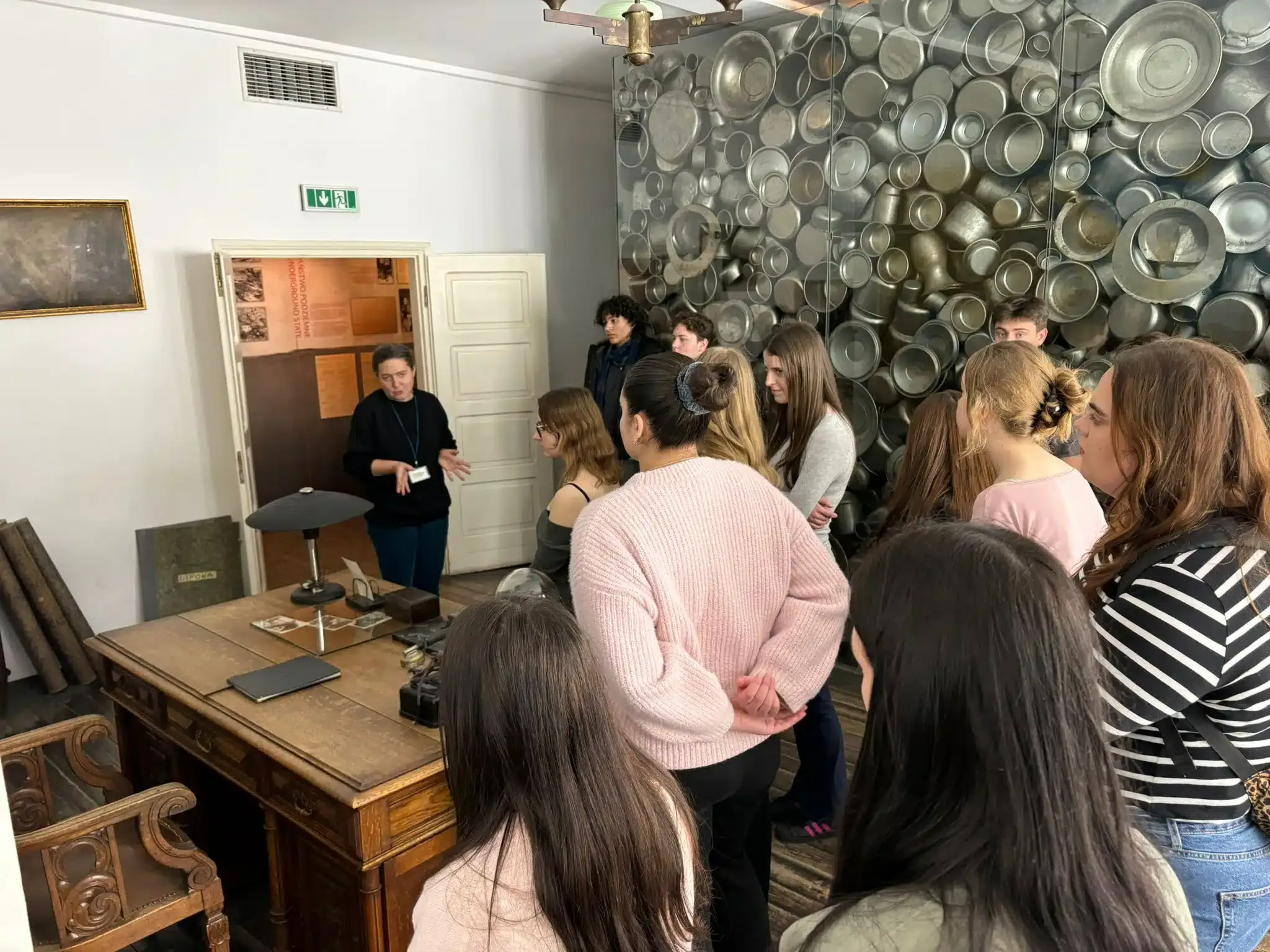
One of the exhibition's strongest elements is its reconstructed urban environment. As you move through spaces designed to evoke occupied Krakow, you understand how propaganda, fear, surveillance, and daily routines shaped ordinary life under extraordinary oppression.
Schindler, Workers, and Survival
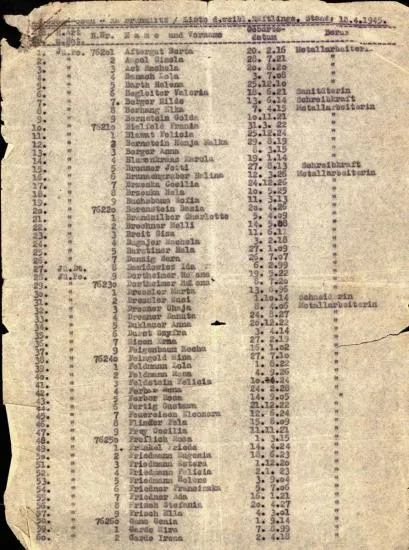
The museum explains how Oskar Schindler's factory became a place where many Jewish workers found a fragile chance of survival. The story is presented with complexity, showing moral ambiguity, bureaucratic brutality, and individual courage rather than simple hero mythology.
Personal Testimonies and Artifacts
Photographs, identity papers, announcements, and recorded memories turn abstract history into human experience. Visitors often say this part of the museum leaves the deepest impression, because each item points to a real life interrupted by war.
Schindler's Factory Museum at a glance
Quick essentials before you book.
Book your Schindler's Factory Museum visit
Choose a time slot that fits your Krakow itinerary and avoid long waits at the door.
Combine your museum visit with nearby Jewish heritage sites for a fuller historical perspective.