A city under occupation, a factory within history
Behind every room in the museum are real people, difficult choices, and a wartime system that reshaped Krakow forever.
Table of Contents
Krakow before the war
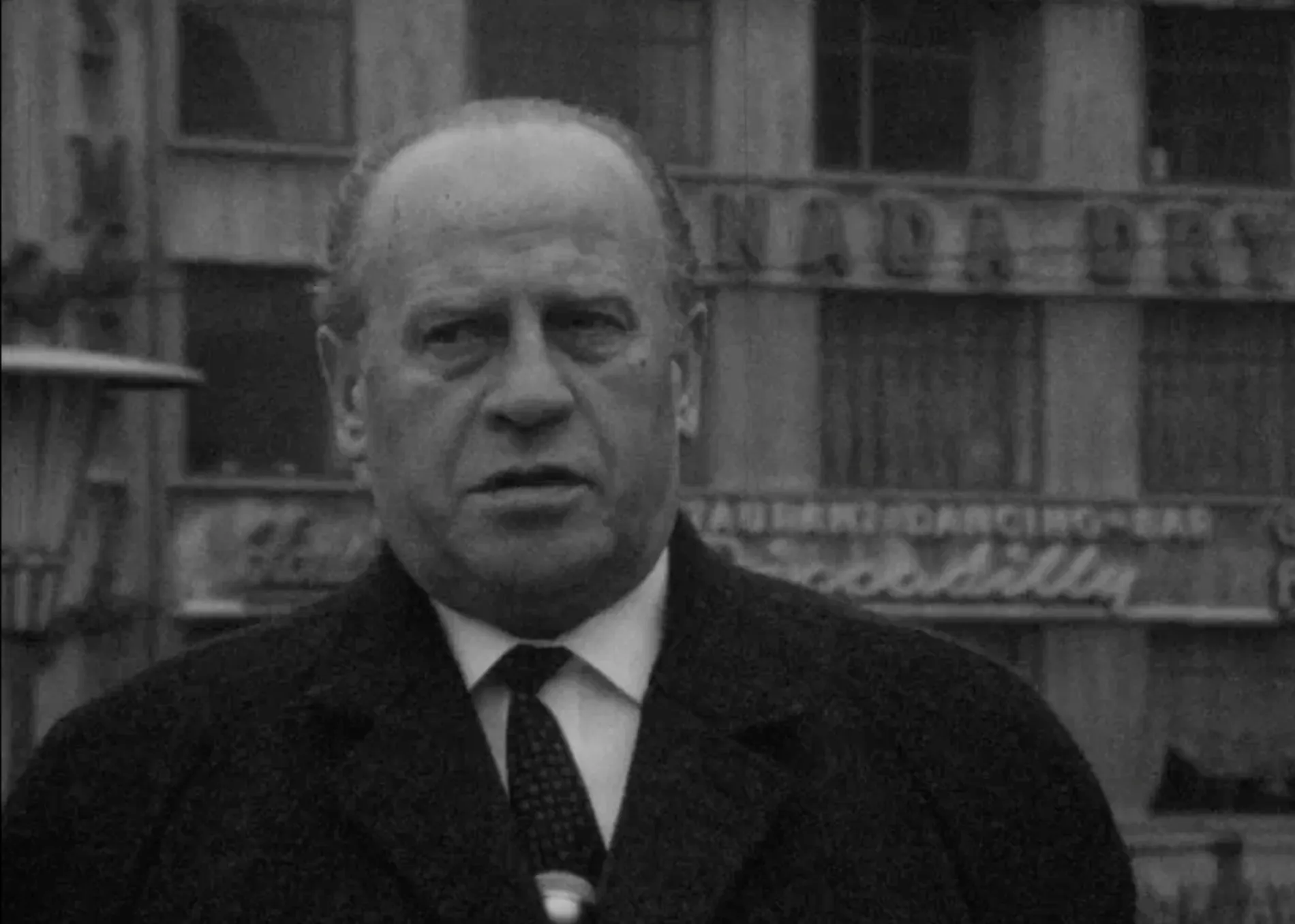
Before the catastrophe of war, Krakow was a vibrant cultural and intellectual center with layered Polish and Jewish life woven into its streets, schools, workshops, synagogues, churches, markets, and cafes. Neighborhoods like Kazimierz were not museum spaces but living communities where families worked, argued, celebrated, and built futures. This prewar social fabric matters because it reminds us that what was later destroyed was not abstract heritage, but everyday human continuity.
The museum's historical framing invites visitors to begin from this normality: a city with institutions, routines, and plural identities. That starting point makes the rupture of 1939 more legible and more devastating. When occupation arrives in the narrative, you feel not only political conquest, but the collapse of trust, rights, and ordinary civic life that had seemed permanent to many of the people who lived there.
Occupation begins in 1939
After the German invasion of Poland in September 1939, Krakow was rapidly drawn into the administrative machinery of Nazi rule. Institutions were repurposed, laws were imposed, symbols were replaced, and public space was transformed into a theater of power. What had once been familiar city life became a tightly controlled environment where identity, movement, labor, and speech were subject to escalating coercion.
One of the museum's strengths is how it presents this transition as a process rather than a single event. Through documents and visual staging, you see how occupation tightened over time: first through regulation, then through exclusion, confiscation, fear, and finally mass violence. The gradual nature of this transformation is historically crucial, because it shows how systems of terror can normalize themselves step by step.
Control, propaganda, and fear
Occupation power relied not only on armed force but on bureaucracy, messaging, and constant visibility of authority. Posters, decrees, identity controls, curfews, and surveillance practices did practical work: they reorganized who could exist safely in public and under what terms. In the museum, these materials are not decorative background; they are evidence of how ideology enters daily life through paper, stamps, and procedures.
Visitors often leave this section with a sobering realization: terror does not always appear first as dramatic violence. It can begin with ordinary-looking forms, queues, offices, signs, and categories that quietly divide people into protected and expendable groups. By emphasizing this administrative dimension, the exhibition connects historical detail with broader lessons about civic vigilance and institutional ethics.
Jewish persecution and ghettoization
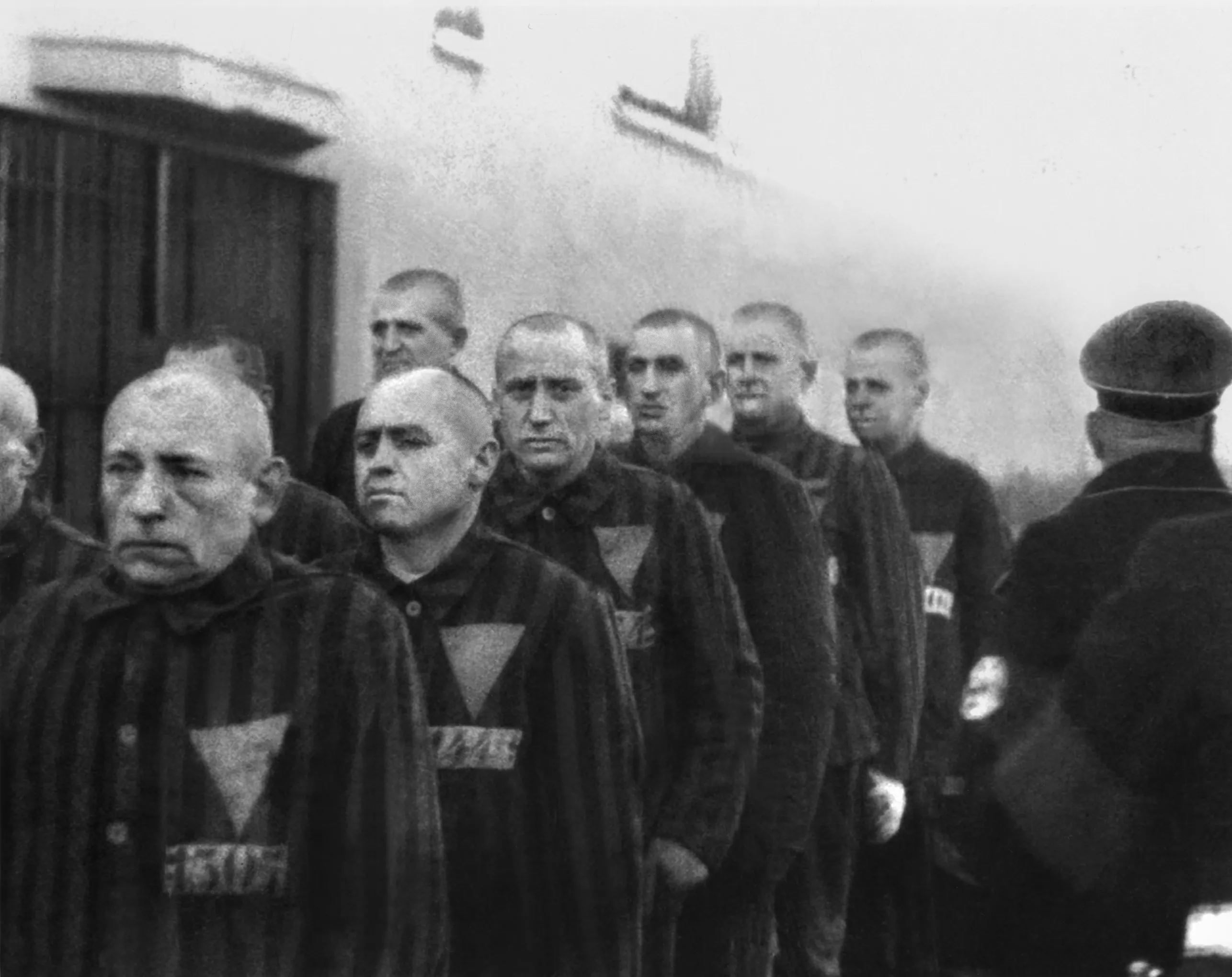
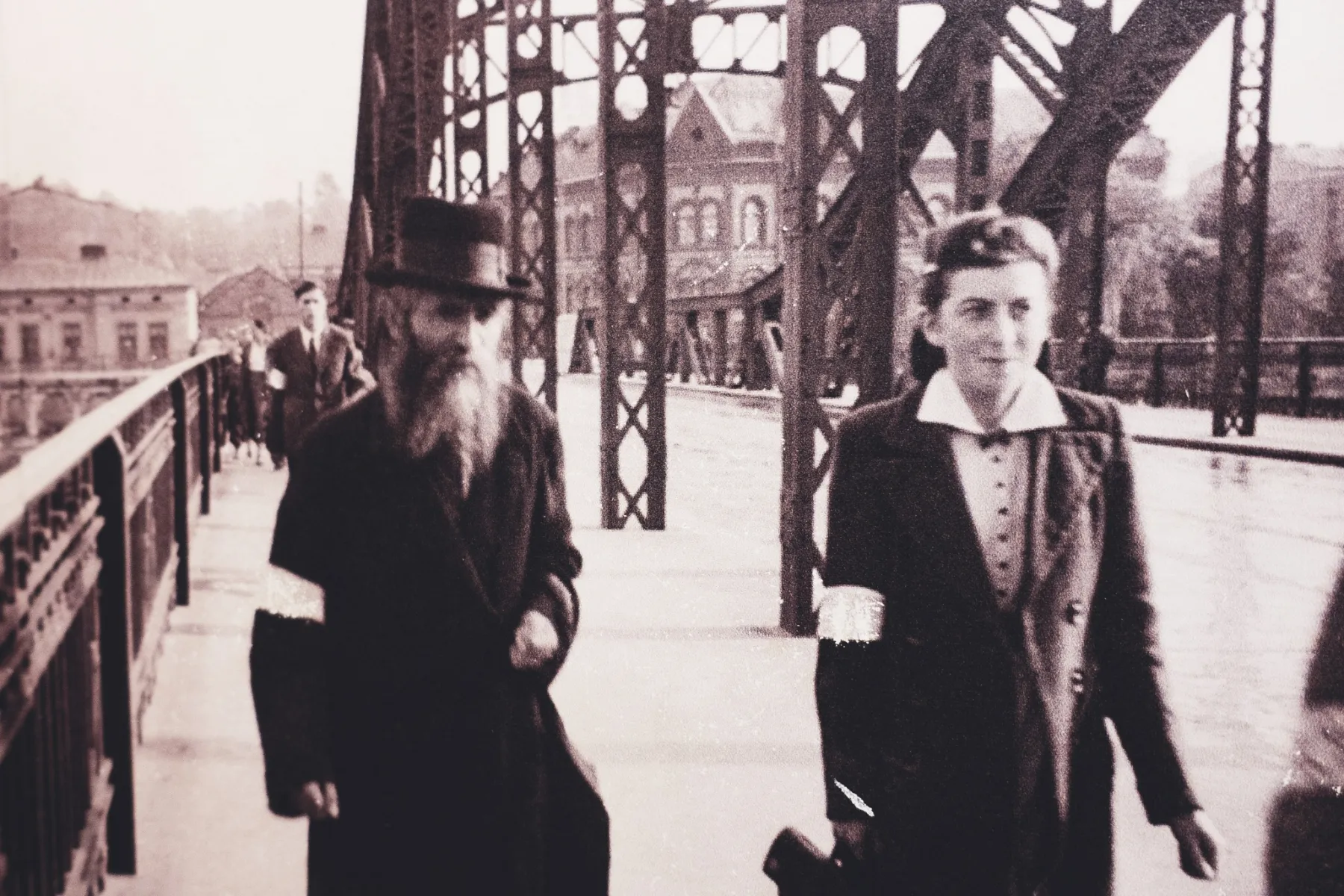
As anti-Jewish policy intensified, Jewish residents of Krakow were progressively dispossessed, isolated, and subjected to escalating restrictions that culminated in ghettoization and deportation. Family histories were shattered by forced moves, confiscated property, labor exploitation, and the constant threat of arrest and violence. The museum presents this not as a distant statistic but as a sequence of lived ruptures documented through names, addresses, papers, and testimonies.
This part of the exhibition is emotionally demanding, and intentionally so. It asks visitors to confront what policy language meant in human terms: children separated from normal schooling, parents trying to secure food under impossible conditions, elders losing homes and dignity, and communities watching options disappear. The dignity of the presentation matters; it avoids sensationalism while refusing to soften historical reality.
Forced labor and factory systems
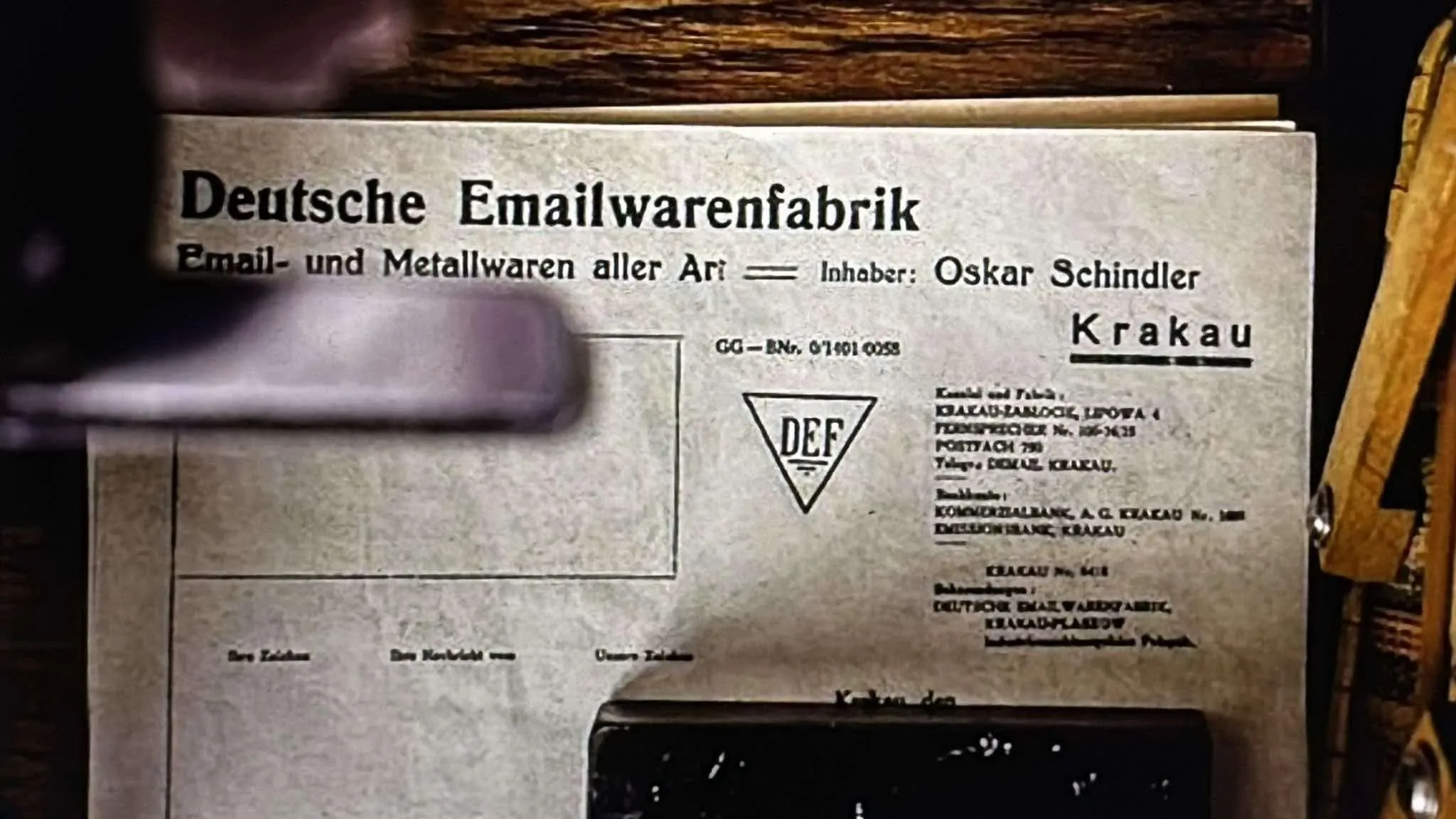
Wartime industry in occupied territory was tied to coercion, extraction, and survival strategies. Factories could become places of exploitation, but sometimes also sites where individual decisions altered outcomes for specific workers. The museum situates Schindler's enterprise within this broader labor regime, helping visitors understand that factory life cannot be reduced to a single narrative of rescue or complicity.
By placing production, labor records, and administrative mechanisms side by side, the exhibition reveals how human beings were turned into controlled units inside a violent system. It also shows how small bureaucratic shifts, permits, transfers, and classifications could become matters of life and death. This granular view is one of the most educationally powerful aspects of the museum.
Who was Oskar Schindler
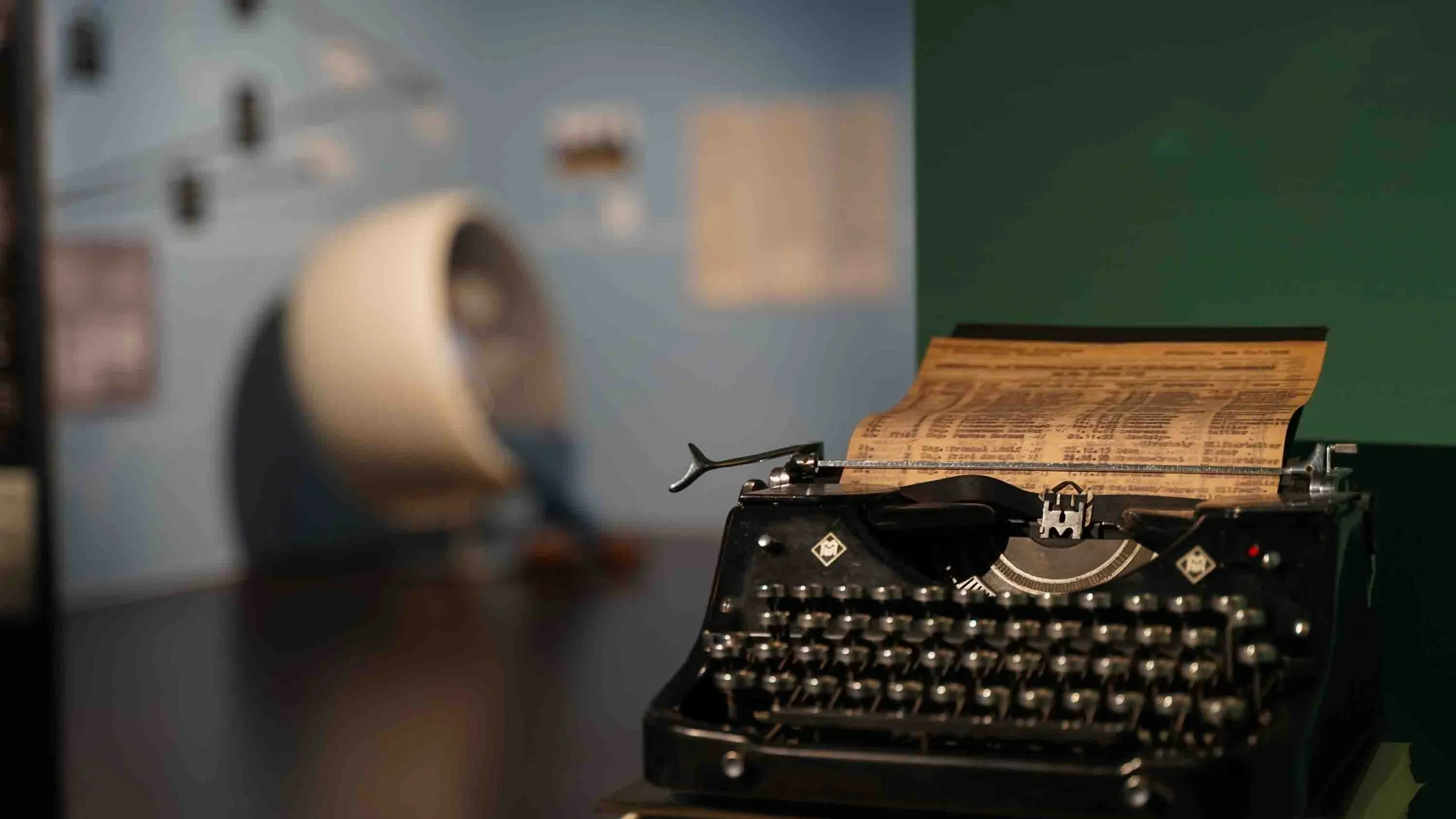
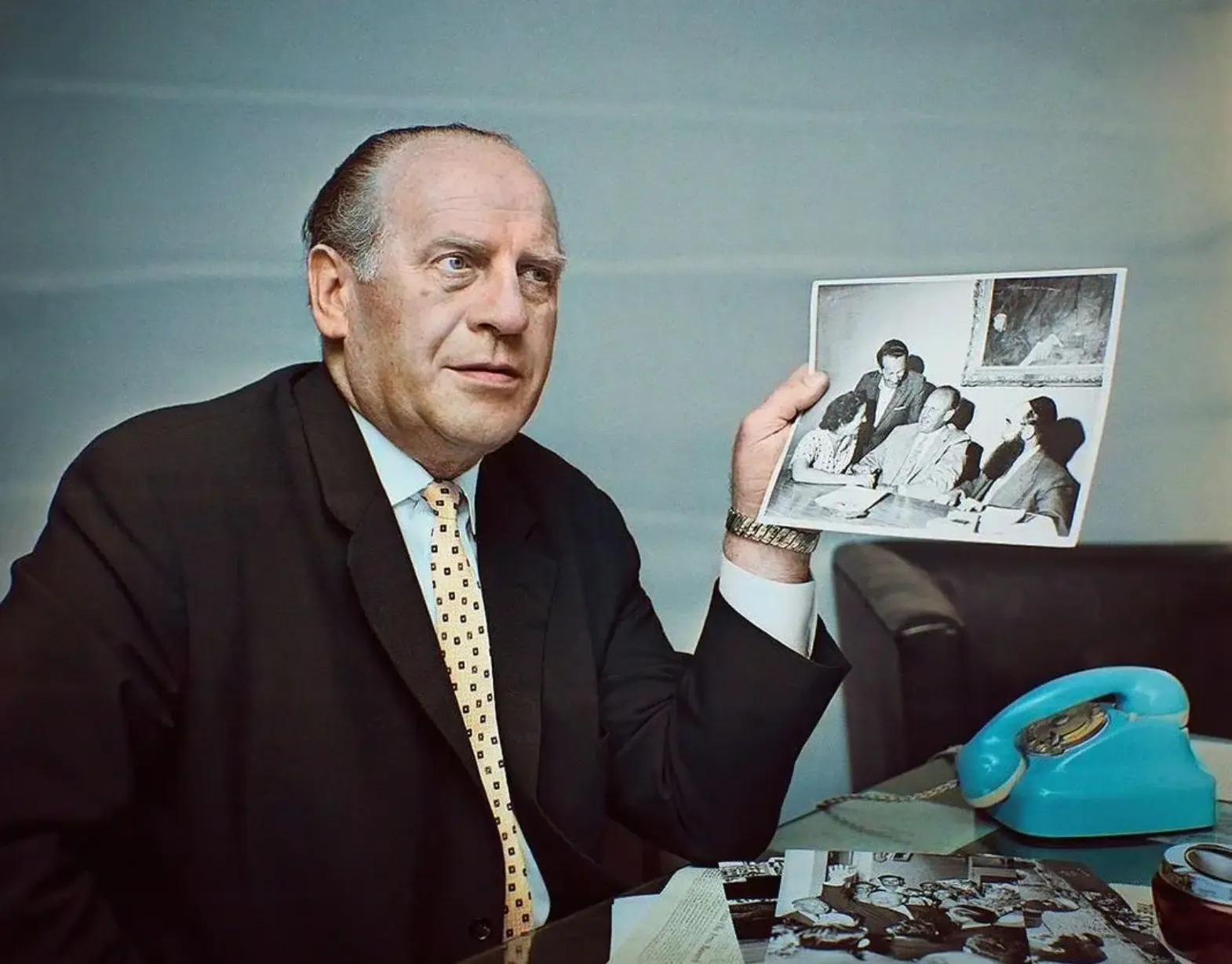
Oskar Schindler remains a globally recognized figure, but the museum encourages a more nuanced understanding than popular memory often provides. He was an industrialist operating inside a criminal occupation system, a man of ambition and pragmatism whose actions evolved over time and whose legacy combines contradiction with genuine moral significance.
Rather than presenting him as a flawless icon, the exhibition places him within documented context: business networks, wartime administration, relationships with workers, and choices made under extreme circumstances. This approach honors those who survived through his interventions while preserving historical complexity, which is essential for serious public history.
Protection, lists, and moral complexity
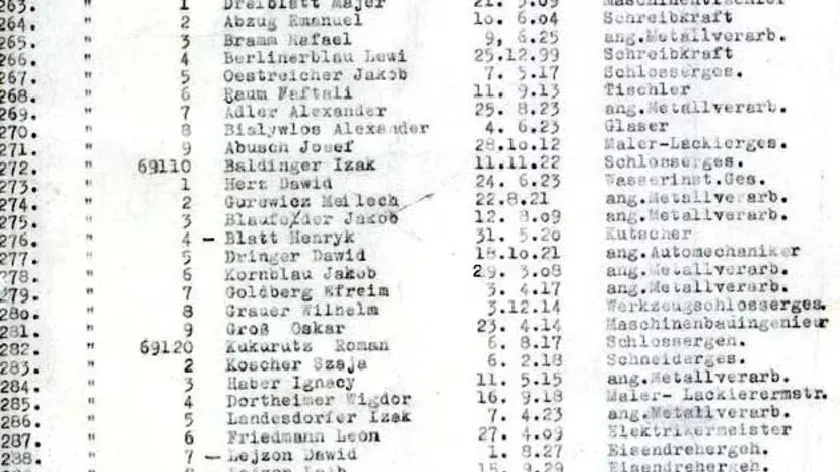
The stories associated with Schindler's workers are often summarized through the famous notion of a list, but the underlying reality involved many layers of negotiation, risk, money, personal contact, and timing. Protection was never abstract; it depended on names attached to records, on transport decisions, and on whether an individual could remain within a narrowing zone of relative safety.
What makes this section compelling is its refusal to flatten moral terrain. Acts of help existed alongside structural brutality; courage coexisted with fear; survival often depended on chance as much as planning. Visitors come away with a stronger appreciation for the fragility of life under totalitarian systems and for the ethical weight of individual decisions.
Resistance and daily survival
Beyond well-known names, the museum highlights countless lesser-known forms of resilience: clandestine teaching, underground communication, sharing food, preserving records, and maintaining cultural life under repression. These actions did not always look dramatic, but they sustained dignity, memory, and social bonds when official structures were designed to crush them.
The exhibition also reminds us that survival itself could be an act of endurance requiring ingenuity, discretion, and solidarity. Ordinary people navigated impossible dilemmas with incomplete information and constant danger. Presenting these experiences with specificity restores agency to those too often reduced to background figures in larger wartime narratives.
Liberation and aftermath
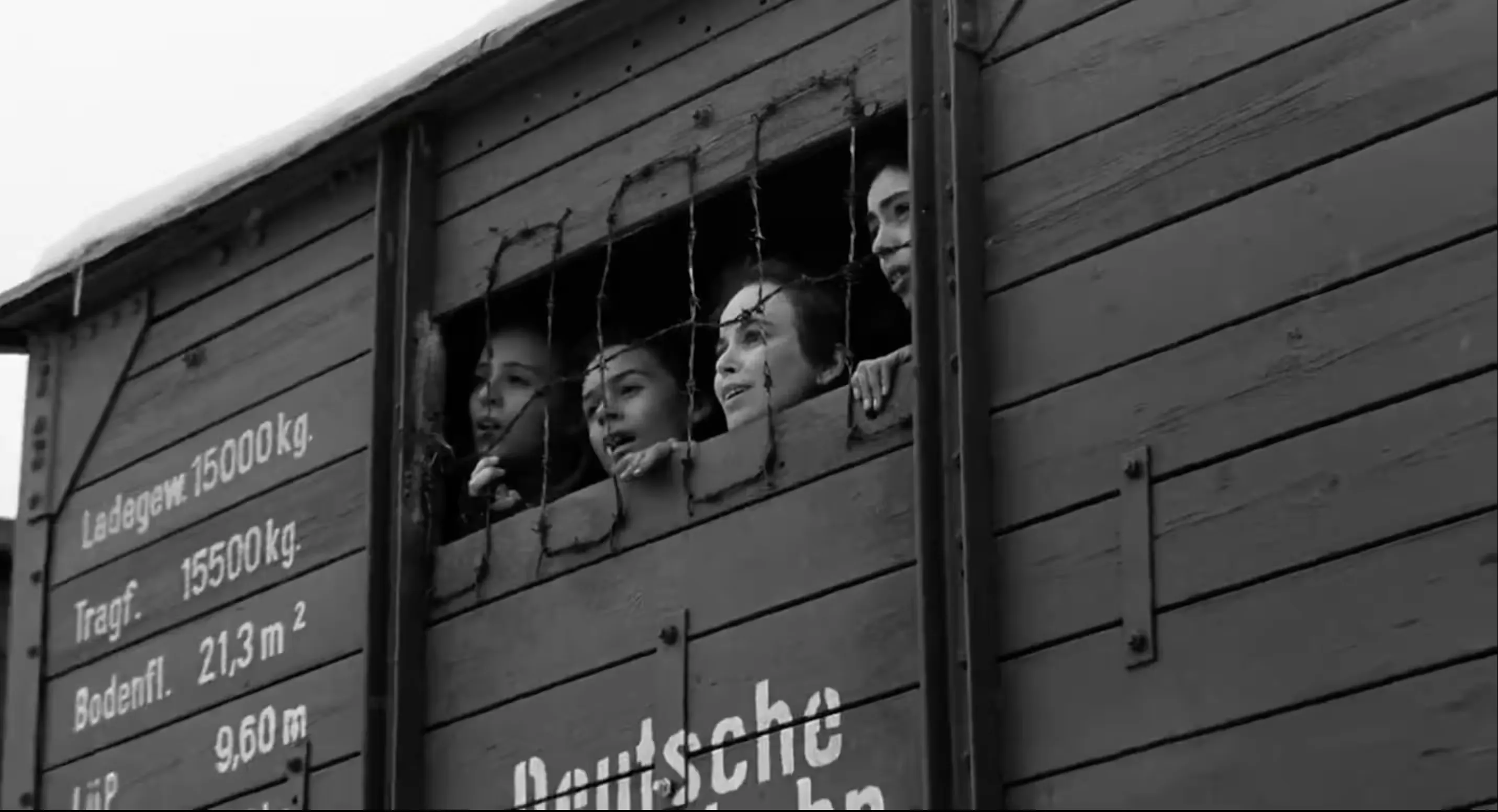
The end of occupation did not instantly restore what had been lost. Liberation brought relief, but also grief, dislocation, legal uncertainty, and the immense task of rebuilding private and public life in a city marked by trauma. Many families did not return; many communities were irreversibly transformed.
By addressing aftermath, the museum resists the easy narrative arc of simple closure. It asks visitors to consider long-term consequences: memory politics, demographic change, urban reinvention, and the responsibilities of later generations. This broader frame helps explain why Schindler's Factory remains relevant not only as a wartime site, but as a civic space of ongoing remembrance.
How the museum tells this story
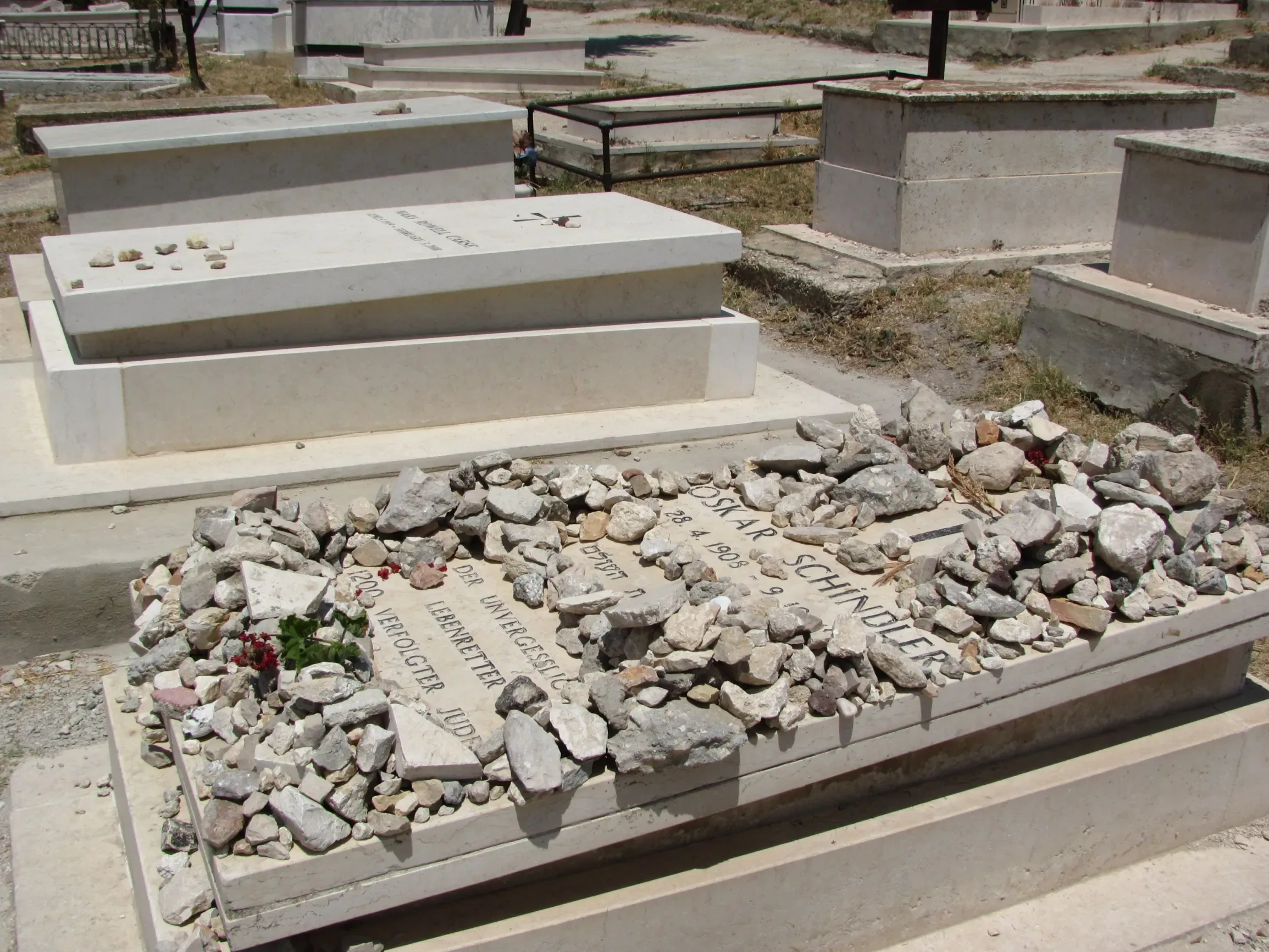
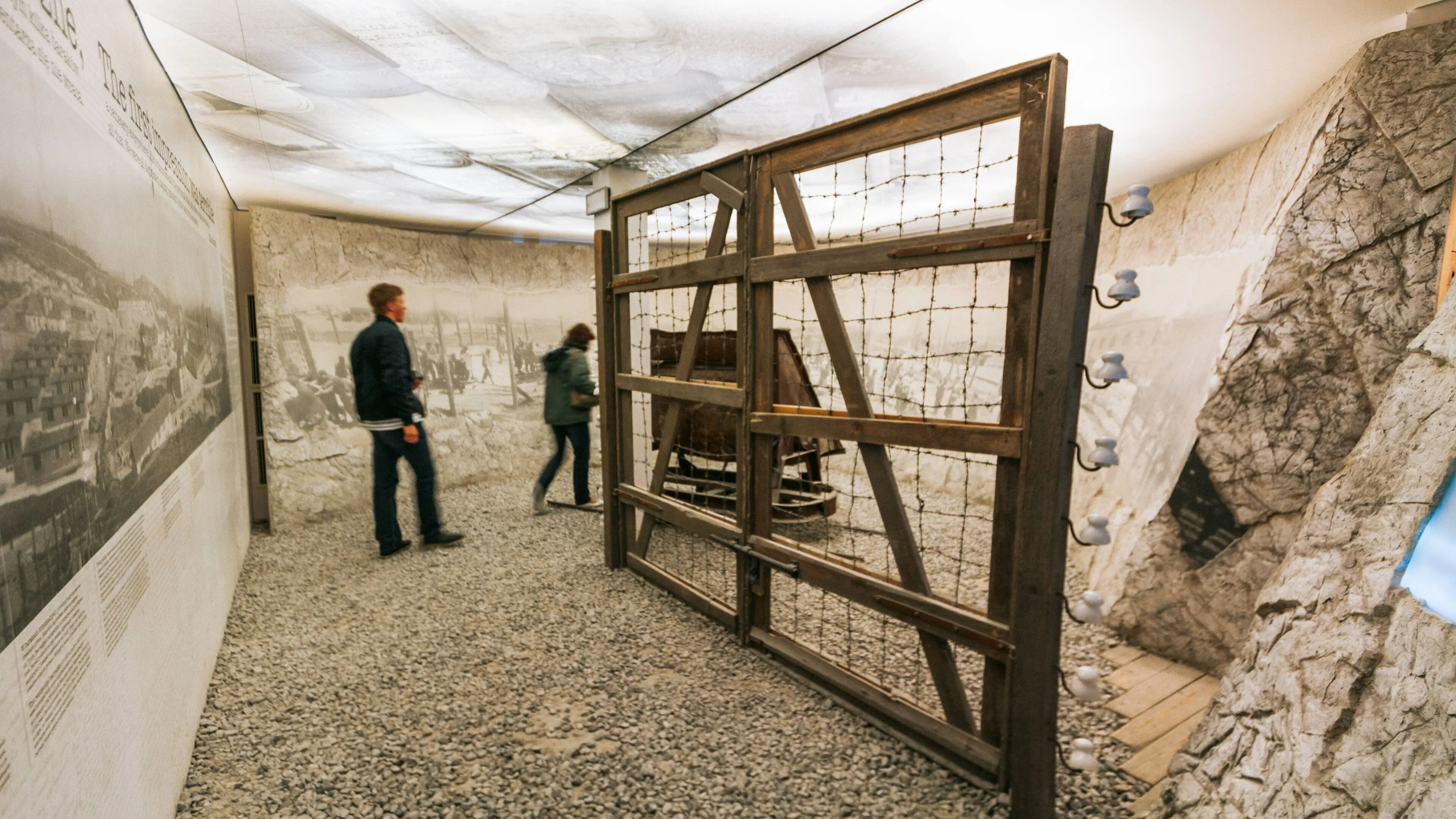
The permanent exhibition is notable for blending traditional archival work with immersive scenography. You encounter texts, recordings, sounds, corridors, office-like spaces, and street reconstructions that guide interpretation through atmosphere as well as data. For many visitors, this creates a learning experience that is both intellectually detailed and emotionally immediate.
This curatorial language can be intense, so pacing matters. Taking brief pauses between sections, reading selected panels carefully, and allowing time for reflection can significantly improve comprehension. The museum rewards attentive, deliberate viewing far more than hurried checklist tourism.
Memory, ethics, and historical responsibility
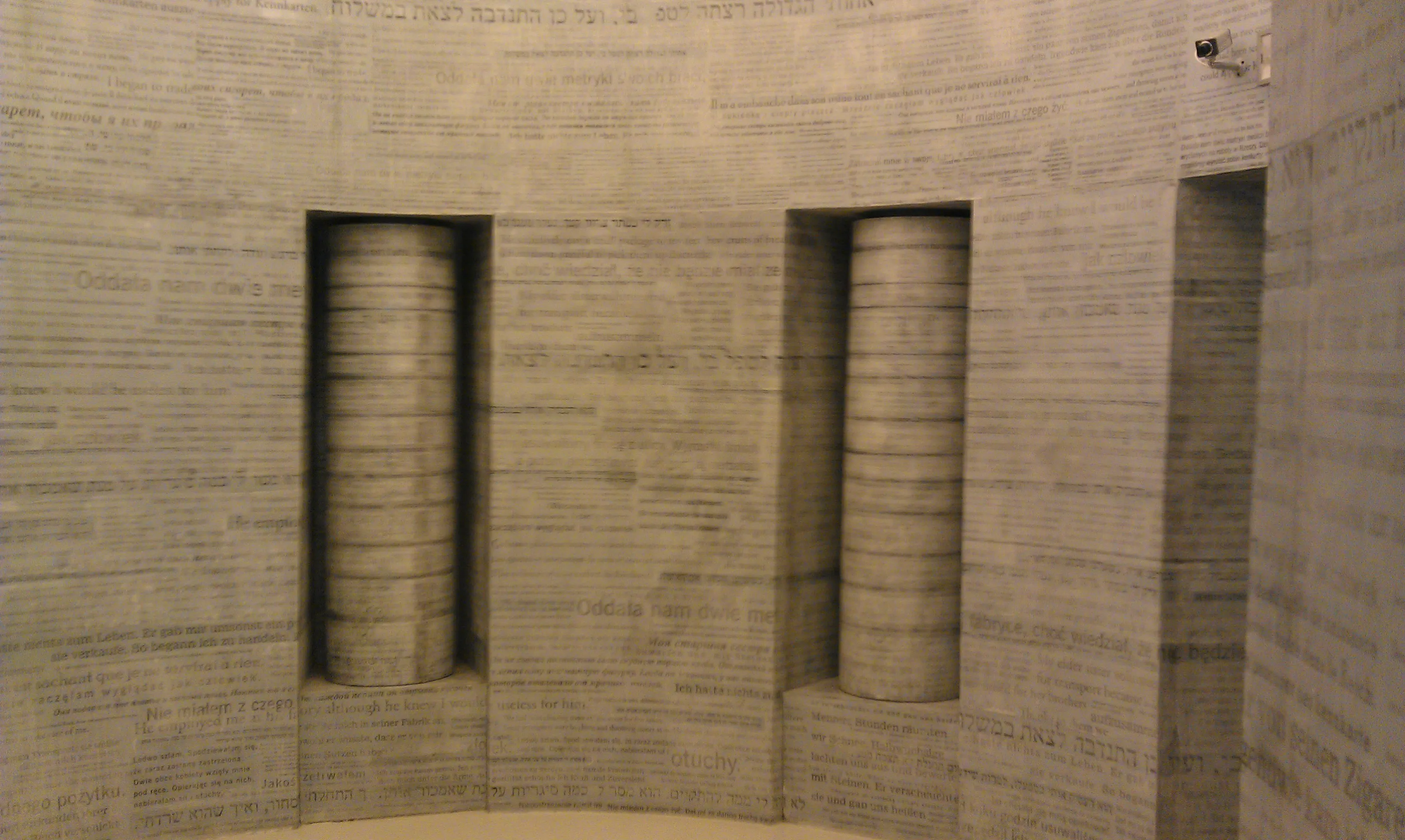
A visit here naturally raises ethical questions: how do societies remember violence responsibly, how do museums represent suffering without exploitation, and what obligations do visitors carry after leaving the gallery. Schindler's Factory addresses these questions by foregrounding documented evidence, individual voices, and the structural logic of occupation.
For contemporary audiences, the museum offers more than historical information. It strengthens historical literacy, empathy, and civic attention. In a time when misinformation and simplification are common, carefully curated spaces like this help protect factual memory and encourage thoughtful public conversation.
Nearby sites for deeper context
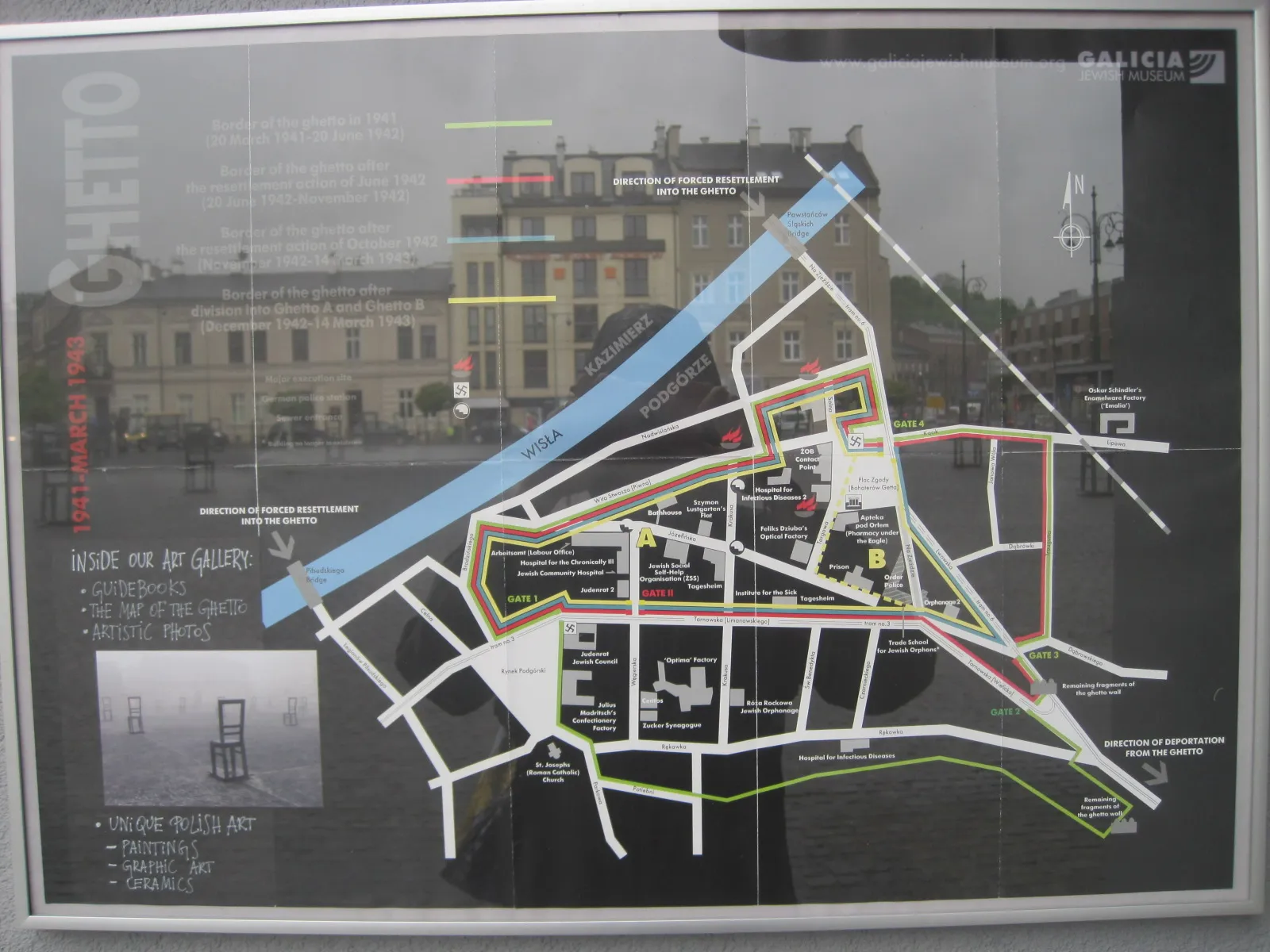
To deepen understanding, many visitors pair the museum with sites in Kazimierz, Podgorze, and former ghetto areas, as well as memorial-focused institutions elsewhere in Krakow. Seen together, these places create a wider map of wartime geography and postwar memory that no single exhibition can cover alone.
A thoughtful itinerary might include time before and after the museum to walk the surrounding district, observe place names and architectural traces, and reflect on how historical layers remain embedded in contemporary urban life. This slower approach often leads to a richer and more responsible encounter with the city.
Why this visit stays with you
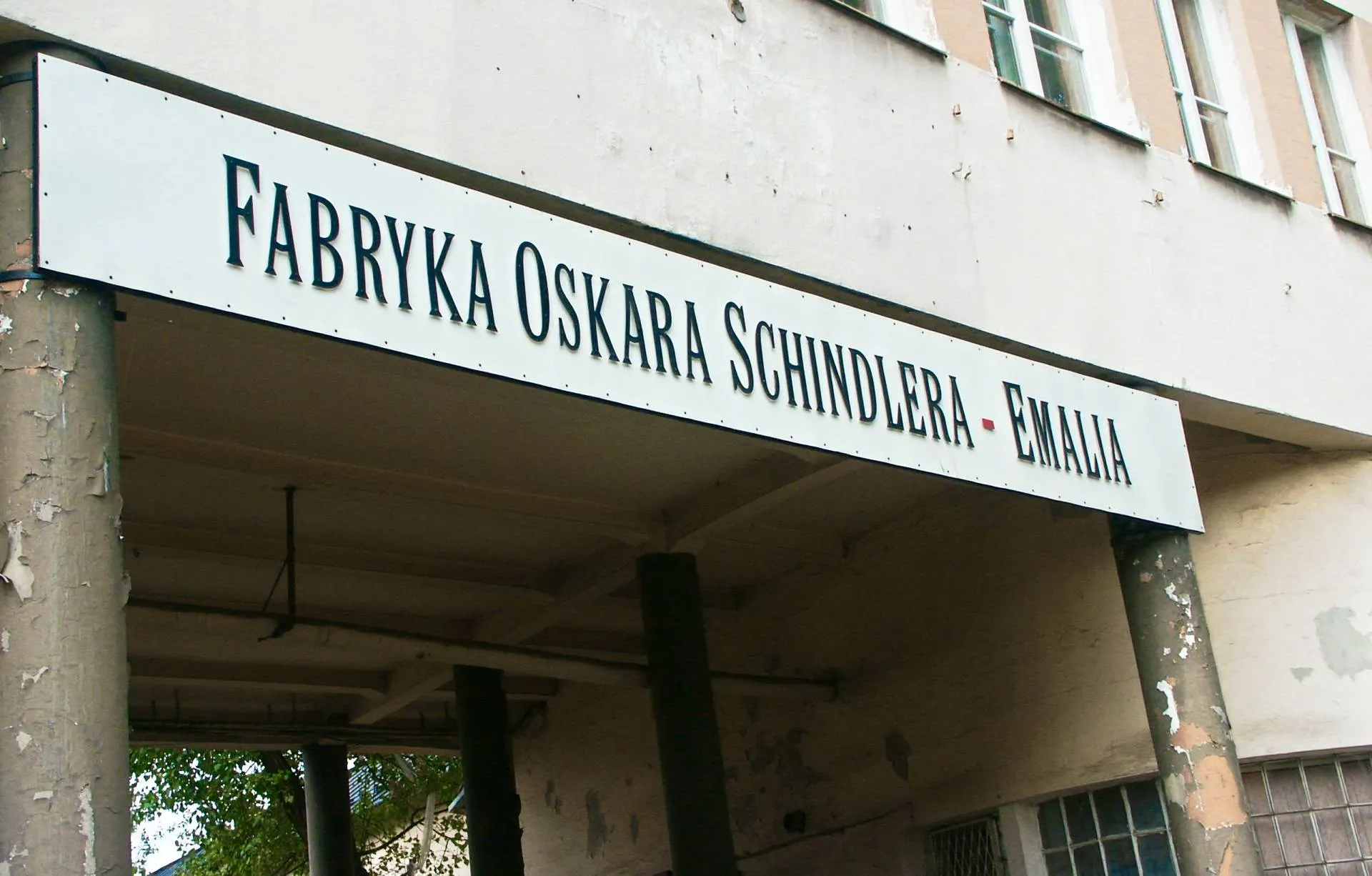
Schindler's Factory Museum stays with people because it bridges scale: major historical events are presented through concrete, human stories. You leave with dates and facts, but also with faces, voices, and moments that make history feel immediate rather than distant.
For many travelers, this is not just another museum stop. It becomes a turning point in how they understand Krakow, World War II, and the moral complexity of individual action within violent systems. That combination of historical rigor and emotional truth is what makes the experience so enduring.
Table of Contents
Krakow before the war
Before the catastrophe of war, Krakow was a vibrant cultural and intellectual center with layered Polish and Jewish life woven into its streets, schools, workshops, synagogues, churches, markets, and cafes. Neighborhoods like Kazimierz were not museum spaces but living communities where families worked, argued, celebrated, and built futures. This prewar social fabric matters because it reminds us that what was later destroyed was not abstract heritage, but everyday human continuity.
The museum's historical framing invites visitors to begin from this normality: a city with institutions, routines, and plural identities. That starting point makes the rupture of 1939 more legible and more devastating. When occupation arrives in the narrative, you feel not only political conquest, but the collapse of trust, rights, and ordinary civic life that had seemed permanent to many of the people who lived there.
Occupation begins in 1939
After the German invasion of Poland in September 1939, Krakow was rapidly drawn into the administrative machinery of Nazi rule. Institutions were repurposed, laws were imposed, symbols were replaced, and public space was transformed into a theater of power. What had once been familiar city life became a tightly controlled environment where identity, movement, labor, and speech were subject to escalating coercion.
One of the museum's strengths is how it presents this transition as a process rather than a single event. Through documents and visual staging, you see how occupation tightened over time: first through regulation, then through exclusion, confiscation, fear, and finally mass violence. The gradual nature of this transformation is historically crucial, because it shows how systems of terror can normalize themselves step by step.
Control, propaganda, and fear
Occupation power relied not only on armed force but on bureaucracy, messaging, and constant visibility of authority. Posters, decrees, identity controls, curfews, and surveillance practices did practical work: they reorganized who could exist safely in public and under what terms. In the museum, these materials are not decorative background; they are evidence of how ideology enters daily life through paper, stamps, and procedures.
Visitors often leave this section with a sobering realization: terror does not always appear first as dramatic violence. It can begin with ordinary-looking forms, queues, offices, signs, and categories that quietly divide people into protected and expendable groups. By emphasizing this administrative dimension, the exhibition connects historical detail with broader lessons about civic vigilance and institutional ethics.
Jewish persecution and ghettoization
As anti-Jewish policy intensified, Jewish residents of Krakow were progressively dispossessed, isolated, and subjected to escalating restrictions that culminated in ghettoization and deportation. Family histories were shattered by forced moves, confiscated property, labor exploitation, and the constant threat of arrest and violence. The museum presents this not as a distant statistic but as a sequence of lived ruptures documented through names, addresses, papers, and testimonies.
This part of the exhibition is emotionally demanding, and intentionally so. It asks visitors to confront what policy language meant in human terms: children separated from normal schooling, parents trying to secure food under impossible conditions, elders losing homes and dignity, and communities watching options disappear. The dignity of the presentation matters; it avoids sensationalism while refusing to soften historical reality.
Forced labor and factory systems
Wartime industry in occupied territory was tied to coercion, extraction, and survival strategies. Factories could become places of exploitation, but sometimes also sites where individual decisions altered outcomes for specific workers. The museum situates Schindler's enterprise within this broader labor regime, helping visitors understand that factory life cannot be reduced to a single narrative of rescue or complicity.
By placing production, labor records, and administrative mechanisms side by side, the exhibition reveals how human beings were turned into controlled units inside a violent system. It also shows how small bureaucratic shifts, permits, transfers, and classifications could become matters of life and death. This granular view is one of the most educationally powerful aspects of the museum.
Who was Oskar Schindler
Oskar Schindler remains a globally recognized figure, but the museum encourages a more nuanced understanding than popular memory often provides. He was an industrialist operating inside a criminal occupation system, a man of ambition and pragmatism whose actions evolved over time and whose legacy combines contradiction with genuine moral significance.
Rather than presenting him as a flawless icon, the exhibition places him within documented context: business networks, wartime administration, relationships with workers, and choices made under extreme circumstances. This approach honors those who survived through his interventions while preserving historical complexity, which is essential for serious public history.
Protection, lists, and moral complexity
The stories associated with Schindler's workers are often summarized through the famous notion of a list, but the underlying reality involved many layers of negotiation, risk, money, personal contact, and timing. Protection was never abstract; it depended on names attached to records, on transport decisions, and on whether an individual could remain within a narrowing zone of relative safety.
What makes this section compelling is its refusal to flatten moral terrain. Acts of help existed alongside structural brutality; courage coexisted with fear; survival often depended on chance as much as planning. Visitors come away with a stronger appreciation for the fragility of life under totalitarian systems and for the ethical weight of individual decisions.
Resistance and daily survival
Beyond well-known names, the museum highlights countless lesser-known forms of resilience: clandestine teaching, underground communication, sharing food, preserving records, and maintaining cultural life under repression. These actions did not always look dramatic, but they sustained dignity, memory, and social bonds when official structures were designed to crush them.
The exhibition also reminds us that survival itself could be an act of endurance requiring ingenuity, discretion, and solidarity. Ordinary people navigated impossible dilemmas with incomplete information and constant danger. Presenting these experiences with specificity restores agency to those too often reduced to background figures in larger wartime narratives.
Liberation and aftermath
The end of occupation did not instantly restore what had been lost. Liberation brought relief, but also grief, dislocation, legal uncertainty, and the immense task of rebuilding private and public life in a city marked by trauma. Many families did not return; many communities were irreversibly transformed.
By addressing aftermath, the museum resists the easy narrative arc of simple closure. It asks visitors to consider long-term consequences: memory politics, demographic change, urban reinvention, and the responsibilities of later generations. This broader frame helps explain why Schindler's Factory remains relevant not only as a wartime site, but as a civic space of ongoing remembrance.
How the museum tells this story
The permanent exhibition is notable for blending traditional archival work with immersive scenography. You encounter texts, recordings, sounds, corridors, office-like spaces, and street reconstructions that guide interpretation through atmosphere as well as data. For many visitors, this creates a learning experience that is both intellectually detailed and emotionally immediate.
This curatorial language can be intense, so pacing matters. Taking brief pauses between sections, reading selected panels carefully, and allowing time for reflection can significantly improve comprehension. The museum rewards attentive, deliberate viewing far more than hurried checklist tourism.
Memory, ethics, and historical responsibility
A visit here naturally raises ethical questions: how do societies remember violence responsibly, how do museums represent suffering without exploitation, and what obligations do visitors carry after leaving the gallery. Schindler's Factory addresses these questions by foregrounding documented evidence, individual voices, and the structural logic of occupation.
For contemporary audiences, the museum offers more than historical information. It strengthens historical literacy, empathy, and civic attention. In a time when misinformation and simplification are common, carefully curated spaces like this help protect factual memory and encourage thoughtful public conversation.
Nearby sites for deeper context
To deepen understanding, many visitors pair the museum with sites in Kazimierz, Podgorze, and former ghetto areas, as well as memorial-focused institutions elsewhere in Krakow. Seen together, these places create a wider map of wartime geography and postwar memory that no single exhibition can cover alone.
A thoughtful itinerary might include time before and after the museum to walk the surrounding district, observe place names and architectural traces, and reflect on how historical layers remain embedded in contemporary urban life. This slower approach often leads to a richer and more responsible encounter with the city.
Why this visit stays with you
Schindler's Factory Museum stays with people because it bridges scale: major historical events are presented through concrete, human stories. You leave with dates and facts, but also with faces, voices, and moments that make history feel immediate rather than distant.
For many travelers, this is not just another museum stop. It becomes a turning point in how they understand Krakow, World War II, and the moral complexity of individual action within violent systems. That combination of historical rigor and emotional truth is what makes the experience so enduring.